Homes in Achasta, Dahlonega, GA, are best compared by three things: the setting of the homesite, the way the floor plan responds to that site, and the condition of the structure and exterior. Fairway, river, and ridge settings can create very different views, privacy patterns, drainage questions, and maintenance needs.
Achasta homes vary by site as much as by style. Compare the view corridor, slope, drainage, sun exposure, floor plan, exterior materials, and maintenance history before deciding which property fits you.
Typing “Achasta Dahlonega GA” into a search box can make the community look like one uniform category. On the ground, the homes vary in a more useful way. The house and the homesite work together. A fairway-facing patio asks different questions than a wooded slope, and a ridge plan handles light, wind, access, and outdoor space differently from a lower site near the Chestatee River setting.
This guide stays with the physical property: architecture, site response, rooms, materials, and condition. Inventory, pricing, and buyer-process questions belong in a current property search. Here, the goal is to help you see what deserves attention before a home earns a place on your shortlist.
What defines an Achasta home in Dahlonega, GA?
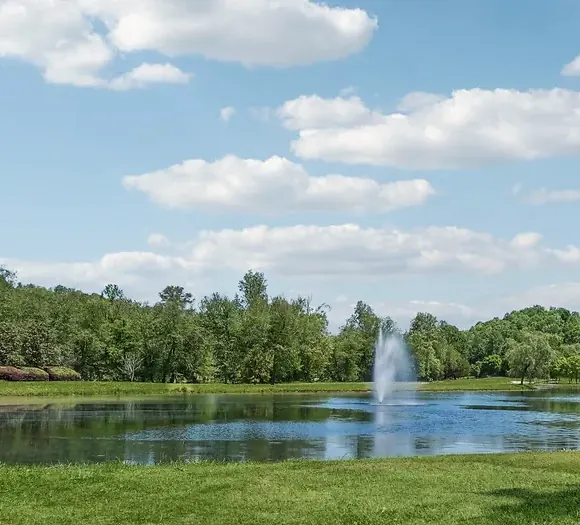
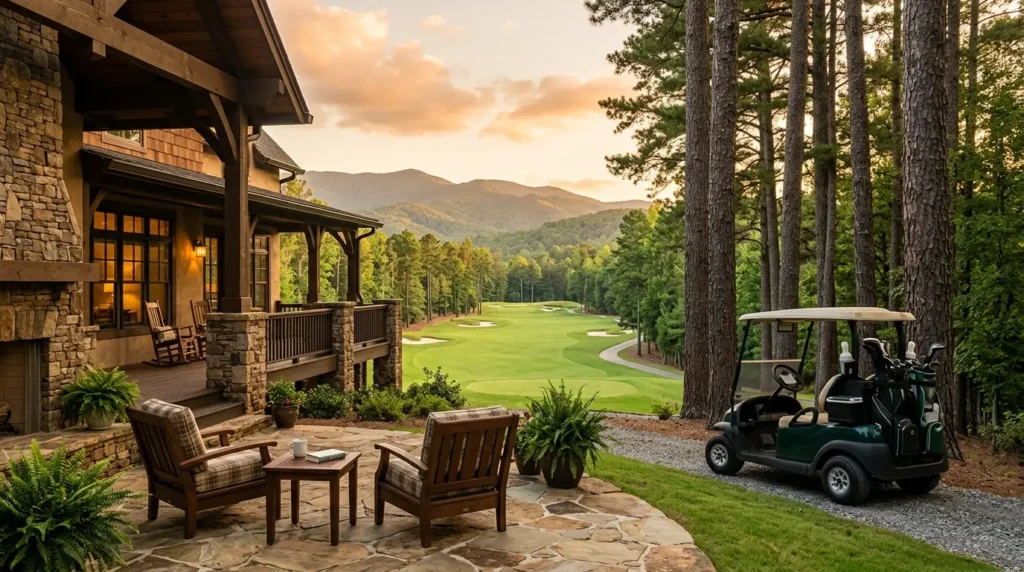
Achasta sits in Dahlonega around a Jack Nicklaus Signature eighteen-hole golf course and the Chestatee River. Those two landscape features influence the setting, but they do not make every house alike. Homes may address a fairway, sit against woods, turn toward a river corridor, or use an elevated position for longer views. The result is a community where the lot often explains the plan.
Architecture should answer the site
A well-resolved home tends to put its most-used rooms where the site gives something back. That may mean morning light in a kitchen, an outdoor room that looks across a fairway, or a great room that frames a wooded ridge without exposing every interior space to the road. The exterior should make sense too. Roof overhangs, porches, drainage details, cladding transitions, and foundation exposure tell you how carefully the design handled North Georgia weather and terrain.
Before focusing on finishes, stand at the street, driveway, side yards, and rear outdoor areas. Note where water appears to travel, how the grade meets the foundation, which rooms receive the best light, and whether the home’s main living spaces use the view you came to see.
Style names are only a starting point
Craftsman, mountain, traditional, transitional, and contemporary are useful shorthand, but a label cannot tell you whether a house functions well. Two homes described as craftsman may differ in window size, ceiling height, storage, stair placement, outdoor connections, and the amount of regular exterior care they need. Our guide to Achasta home styles and architecture gives those differences a closer look.

How does the homesite shape the house?
A home tour is easier to understand when you begin with the land. Slope, orientation, vegetation, driveway approach, and neighboring structures affect how the property feels every day. They can also influence drainage, exterior access, landscape work, and which parts of the home stay comfortable through the seasons.
A strong property comparison begins outdoors. Walk the lot, note how water moves, study the driveway and retaining areas, then check whether the interior plan makes use of the home’s best light and views. A polished kitchen cannot correct a site that does not suit your daily routine.
| Setting | What to study | Questions to carry into the tour |
|---|---|---|
| Fairway relationship | Distance, angle, exposure, landscaping, outdoor rooms | Which windows and patios face activity? How does privacy change through the day? |
| Wooded site | Tree condition, shade, moisture, roof debris, view depth | Which trees are on the parcel? How much natural light reaches the main rooms? |
| River setting | Survey, drainage, elevation, access, insurance questions | What is verified for this parcel, and which conclusions require a specialist? |
| Ridge or long view | View control, wind, driveway grade, outdoor exposure | What protects the view, and what depends on land outside the parcel? |
Slope changes circulation
A sloped lot may allow a walk-out lower level and layered outdoor spaces. It can also create more stairs, taller retaining areas, or a driveway that deserves a careful test in wet weather. Walk the normal route from parking to kitchen, bedrooms, outdoor areas, and storage. A dramatic site should still support groceries, guests, pets, deliveries, and routine maintenance.
Views need a boundary check
A beautiful view is not automatically controlled by the homeowner. Ask which trees and land are inside the parcel, what sits beyond the property line, and whether neighboring construction could change the frame. The Achasta mountain-view home guide explains why view direction and control deserve separate attention.
Which architectural details deserve a closer look?
Start with the parts that are expensive or disruptive to revisit: roof geometry, windows, exterior cladding, foundation conditions, drainage, mechanical systems, and the basic room arrangement. Cosmetic updates are easier to picture. A floor plan that fights the lot is harder to correct.
Windows should frame more than scenery
Large windows can connect a room to the fairway, woods, river corridor, or hills, but glass placement also affects privacy, glare, furniture walls, and temperature. Visit when the sun is in a different position if possible. Check window operation, visible seal condition, trim, flashing, and how easily shades or screens can work without spoiling the room.
Outdoor rooms count as working space
Porches, decks, patios, and terraces should be judged like rooms. Look at access from the kitchen and main living spaces, exposure to rain and afternoon sun, railings, stairs, drainage, and the condition of the supporting structure. An outdoor room that photographs well may see little use if it is difficult to reach or exposed during the hours you would want it most.
How should you compare an older home with new construction?
Age alone does not settle the comparison. An established home may offer mature landscaping, a site whose drainage patterns are easier to observe, and a layout that has already been tested through daily use. New construction may bring newer systems and a more current plan, but workmanship, water management, site completion, and documentation still need scrutiny.
- Build a property briefWrite down the site type, access, primary view, floor-plan pattern, exterior materials, visible condition, and questions that need documents or professional review.
- Separate structure from finishesKeep roof, drainage, windows, foundation, systems, and layout in one column. Put paint, fixtures, counters, and decor in another so attractive finishes do not obscure larger work.
- Compare daily routesWalk from vehicle to kitchen, bedroom to laundry, living room to outdoor space, and guest room to bath. Note stairs, tight turns, storage gaps, and doors that compete.
- Verify with documents and specialistsUse the survey, disclosures, permits when applicable, maintenance records, inspection, and qualified advice to test what you observed during the tour.
For buyers weighing a build or recently completed home, the Achasta new-construction guide covers the property questions that appear before and after completion. If the land is still vacant, begin with the Achasta homesite evaluation guide before choosing a plan.
Wide lenses, selective angles, seasonal foliage, and bright editing can hide grade changes, neighboring structures, road exposure, and the distance to a fairway or river corridor. Walk the boundary with the available survey and ask a qualified professional to investigate anything material to your decision.
What belongs on an Achasta property walk-through?
Give every serious candidate the same inspection rhythm. Consistency makes comparison easier and reduces the chance that one dramatic view changes the standard you apply to everything else.
- Approach the property from both directions and note road, driveway, parking, delivery, and guest access.
- Walk the visible drainage path around the house and observe where roof water, slope water, and hardscape runoff appear to travel.
- Stand in the main rooms and identify what each window frames, what it exposes, and how furniture can fit.
- Test the path between kitchen, outdoor space, primary bedroom, laundry, storage, and vehicle parking.
- Look past fresh finishes to the roofline, exterior joints, windows, decks, retaining areas, visible mechanical equipment, and service access.
- Record every claim that requires a survey, disclosure, inspection, permit record, or other source before you rely on it.
A property-focused search in Achasta works best when the same questions follow you from home to home. That approach does not remove judgment. It gives your judgment a reliable frame.
Frequently Asked Questions
What styles of homes are found in Achasta, Dahlonega, GA?
The community includes homes with craftsman, mountain, traditional, and contemporary influences. Labels matter less than the execution. Compare the roof form, exterior materials, window placement, porch design, and how the plan responds to its specific lot.
Are all Achasta homes directly on the golf course?
No. Homes occupy different settings within the community. Some relate closely to fairways, while others emphasize wooded privacy, the Chestatee River setting, or longer views toward forested ridges. Confirm the boundaries and view corridor for the individual property.
What should I inspect first at an Achasta home?
Start with the site. Look at drainage paths, slope, retaining areas, driveway access, sun exposure, and the relationship between the house and neighboring properties. Then assess the roof, exterior, windows, mechanical systems, and interior layout.
How important is the lot when comparing Achasta homes?
The lot can shape daily use and future maintenance. It affects driveway grade, outdoor space, natural light, privacy, view direction, water movement, and how additions or landscaping may work. Review the survey and walk the property rather than relying only on listing photos.
Do mountain views stay the same after I buy?
A view can change as trees grow, neighboring sites are developed, or vegetation is managed. Ask what land is inside the parcel, what lies beyond it, and whether any view depends on vegetation outside the owner’s control.
What questions should I ask about a fairway-facing home?
Study the distance and angle between the home and the playing corridor, outdoor-use patterns, window exposure, landscaping, and any visible protective features. Visit at more than one time of day so you understand light, activity, and privacy.
What should I know about a home near the Chestatee River?
Treat the river as a setting that requires parcel-specific due diligence. Review the survey, drainage, elevation information, access, insurance questions, and any recorded restrictions with qualified professionals before relying on a view or proximity claim.
Is an open floor plan always better for an Achasta home?
No. An open plan can improve shared sightlines, but it can also reduce quiet rooms, wall space, and acoustic separation. The best plan places daily rooms where they benefit from the site’s light and views while preserving practical storage and circulation.
How do I compare an older home with new construction?
Compare current condition and total work, not age alone. An older home may have a settled site and mature landscaping. A newer home may offer updated systems and materials. Inspection findings, documentation, workmanship, and the fit of the floor plan should guide the decision.
Where can I learn more about specific Achasta property types?
Use the linked guides on Achasta home styles, homesites, new construction, and mountain-view properties. They break the search into narrower property questions so you can compare homes on the features that affect use and upkeep.
Ready to compare Achasta homes property by property?
Use this guide to narrow the physical features that fit you, then review current options with a North Georgia brokerage that knows the Dahlonega market. (770) 283-1223
Connect with Gold Peach Realty, your local Achasta and Dahlonega, Georgia brokerage